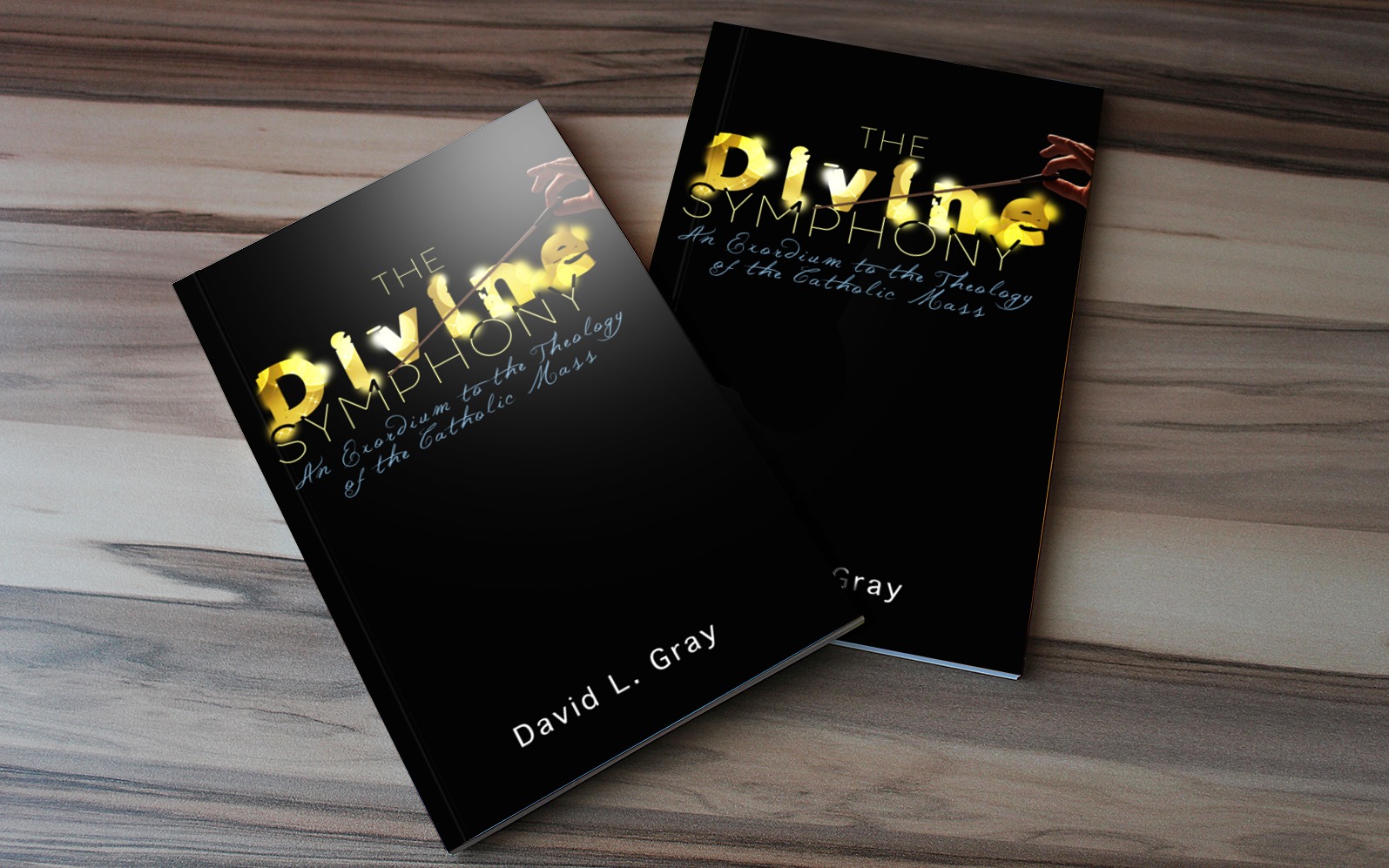
Interview with Author David L. Gray (The Divine Symphony)
The Managing Editor of Saint Dominic’s Media sat down with the author of The Divine Divine Symphony: An Exordium to the Theology of the Mass to ask him some questions about this new book and
The Managing Editor of Saint Dominic’s Media sat down with the author of The Divine Divine Symphony: An Exordium to the Theology of the Mass to ask him some questions about this new book and
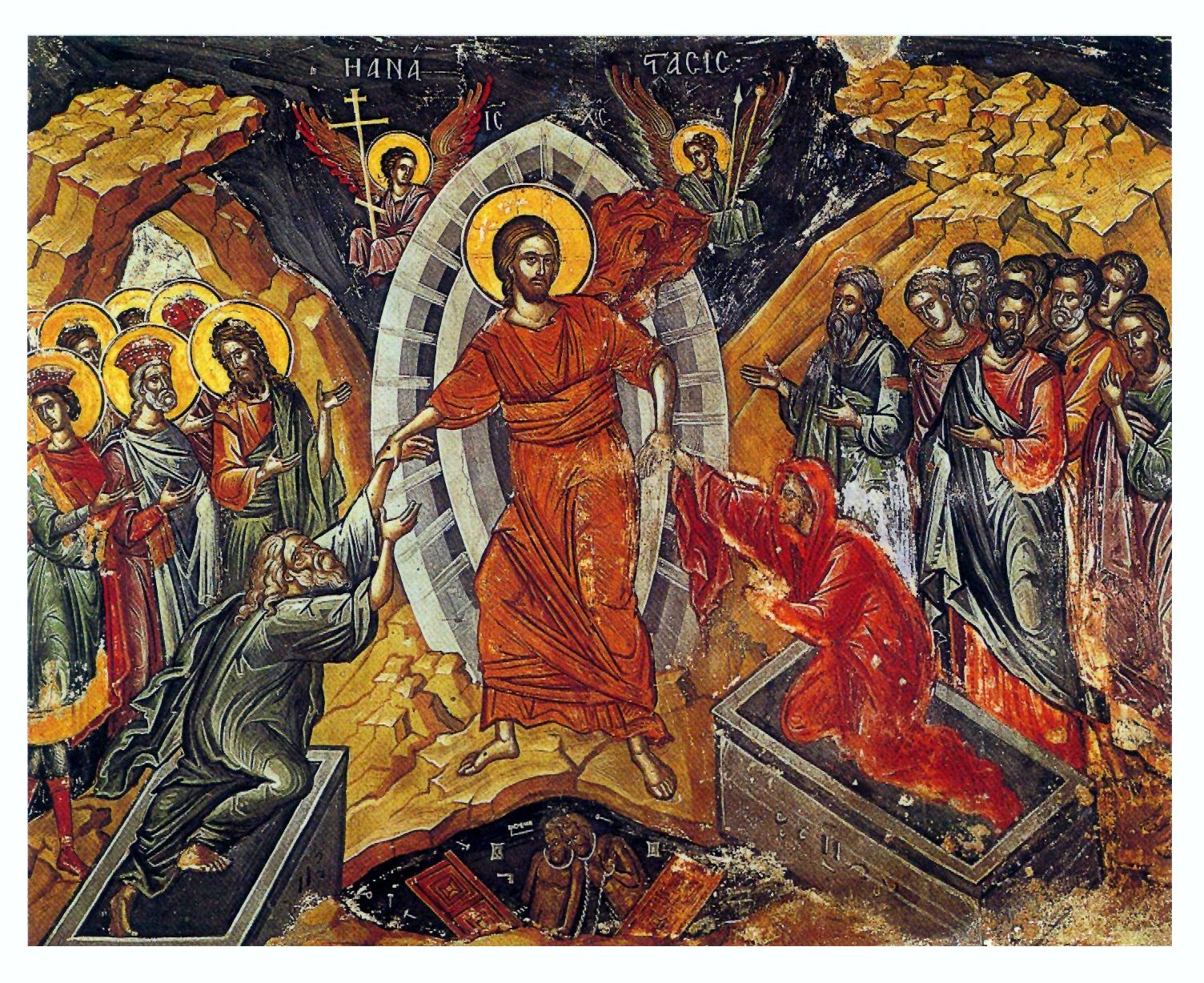
erhaps the most unexpected and striking article as Christians we profess in the Apostles’ Creed is our belief that Jesus descended into Hell. This is not said to undermine the wonder and otherness of Jesus’

f one is to take part in any relevant conversation about social justice, one must first acknowledge that we live in a pluralistic world. Globalization has forced even the most devout essentialist to accept that
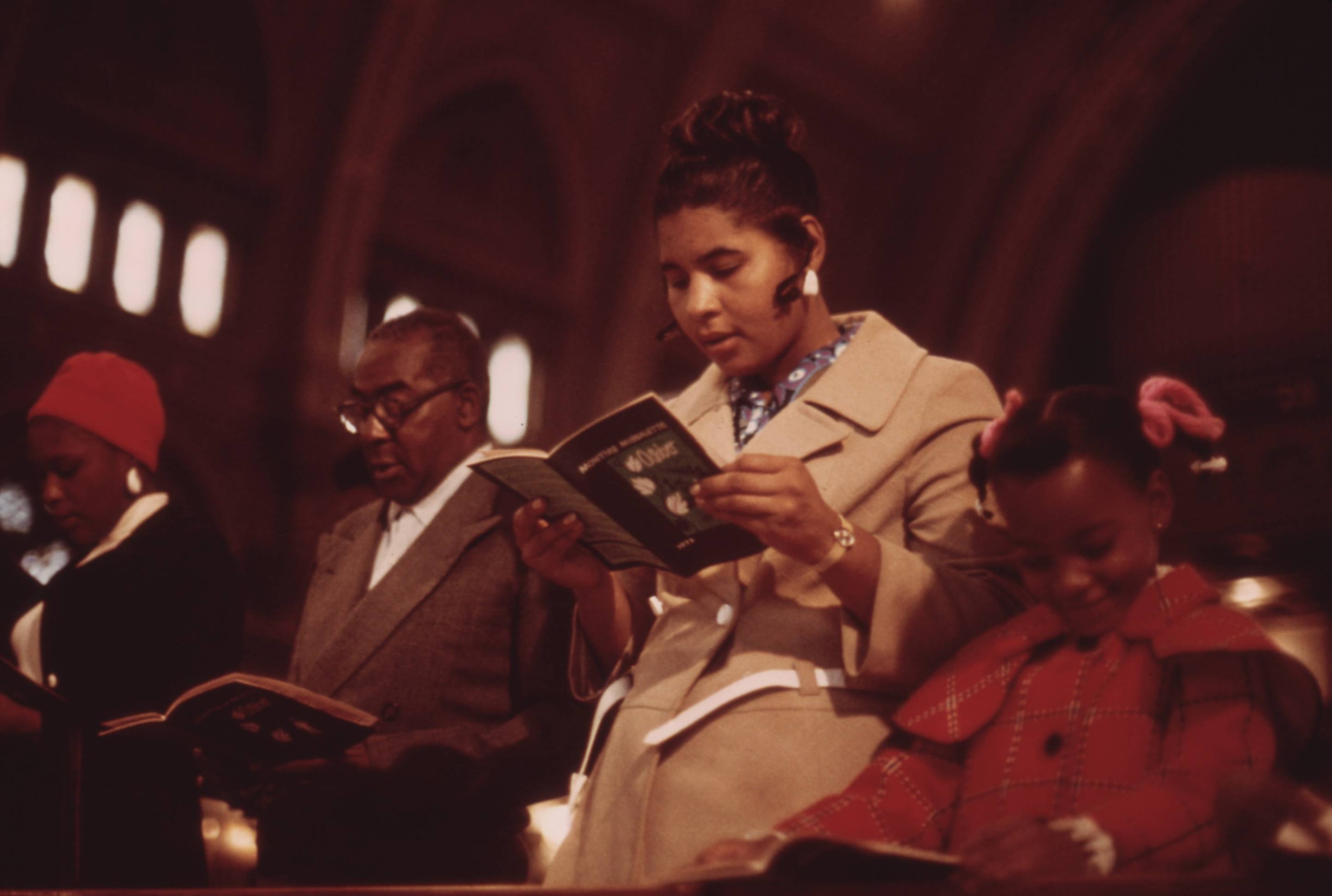
o ecclesiology can be referred to as authentically Christian in America that does not acknowledge the significance of white racism and the resulting white privilege in American society and the American Church. To remain silent
he pericope at the very end of the Gospel of John consisting of 21:15-25 may conclude the fourth Gospel, yet it is hardly to be thought of as the end of the story. Even before
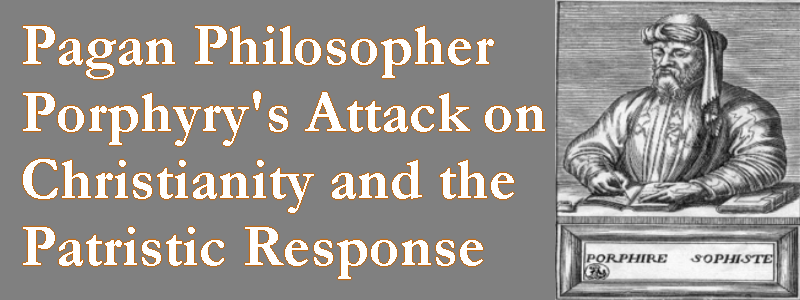
Introduction Scholarly examinations of the Catholic Church in the second and early third centuries typically focus on two principal threats: internal challenges from false teaching and external pressures arising from Roman legal persecution. Yet an
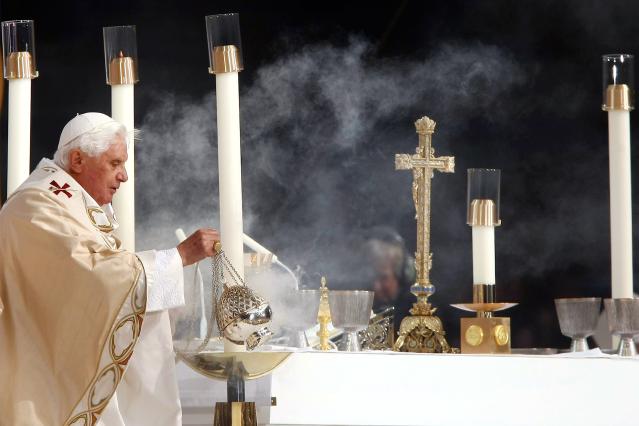
The Mass is not only a worship of God, but also a school of morality. In this article, the author explains how the Mass cultivates our moral life by forming our conscience, strengthening our will,
What is clearly inferred out of Jesus’ commissions is that this is an ongoing work that will naturally extend beyond the lifespan of the Apostles.

There remains to be fewer greater errors in regards to man’s historical perception of the Church than when he, sometimes in forgivable ignorance, posits that the Church emerged only after the Death of Jesus.

Four prophetic essays written between 2013 and 2015 by David L. Gray about the Reformation of Pope Francis.
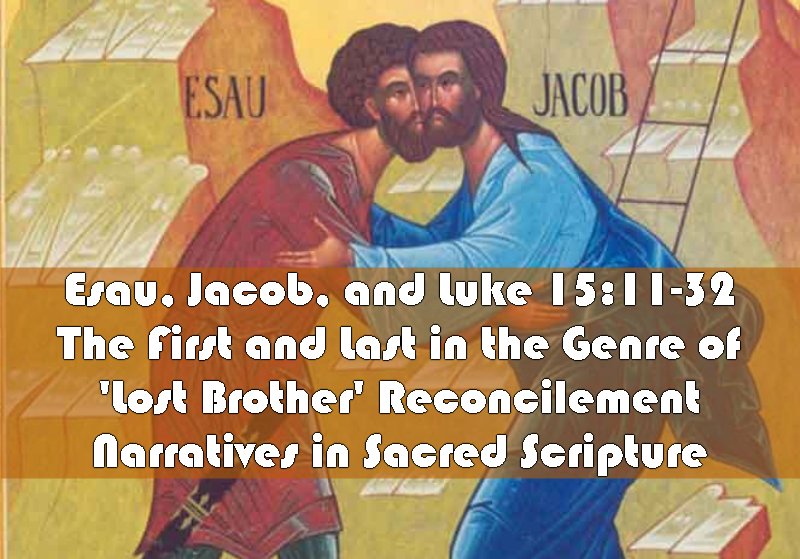
This narrative is rich in theological meaning and real life praxis of the faith. There is a great deal to say here about the trustworthiness of God, the silliness of fear, and the benefits of
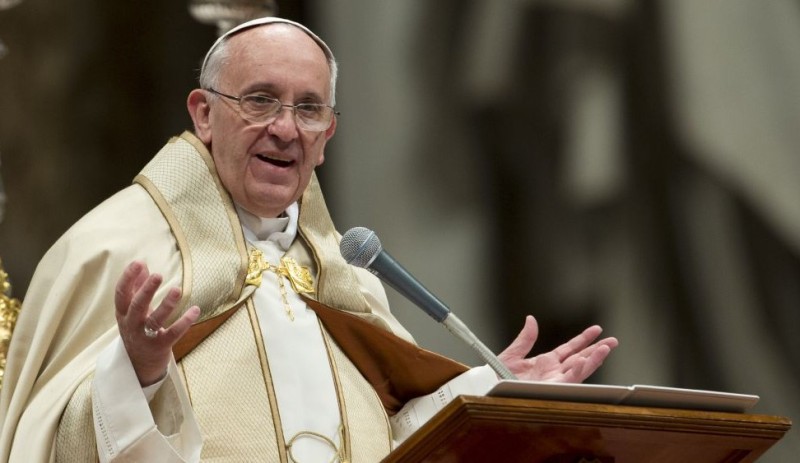
By searching out the most used keywords and themes in Pope Francis’ homilies from 2013 and 2014, I have found that Pope Francis does not seem to be very interested in engaging in a homiletic
Altogether, the initial relationship between science and faith seems to be incompatible in regards to this question. Initially faith is only concerned with what to do with the possibility of ET life existing, while science
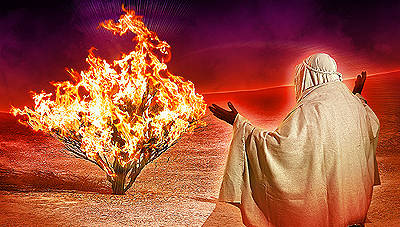
For their part, the Biblical narrators, through their literary devices of type-scene, word/phrase/concept repetition, and dialogue, have seamlessly tied Moses into the Covenant that God made with Abraham, Isaac, and Jacob.

This article explores the concept of Grace/Favor in the 'Pentateuch' and makes the distinctions about how it is applied throughout.
A common element between the asceticism we find in India and that in Palestine was the philosophy of dualism professed through a detachment from the material world; particularly with the Jains and the Essenes.
This paper will explore the purpose and motives behind first historical document of the Roman Catholic Church on Freemasonry that would end up shaping the language and position of all future statements of the Church
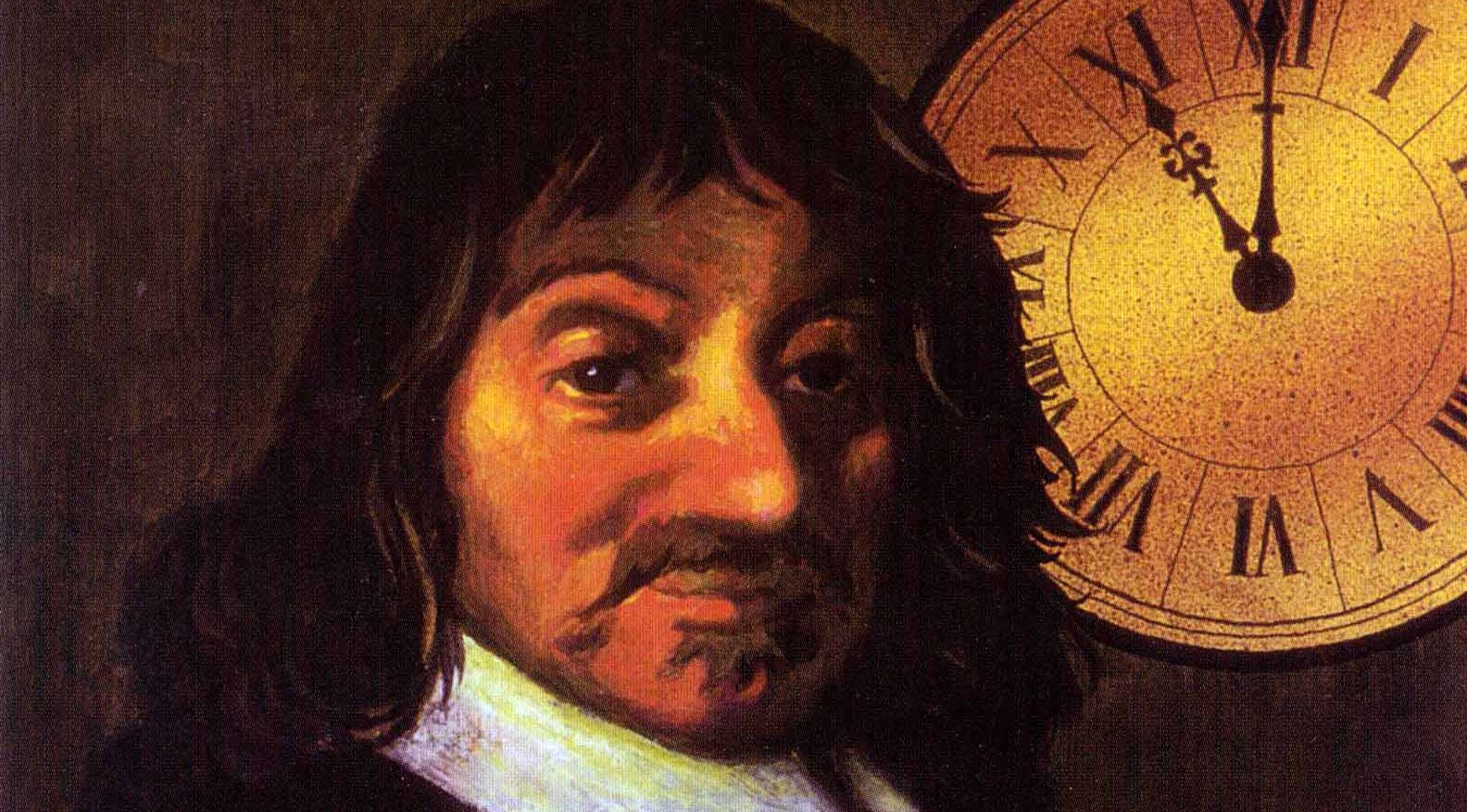
The role and place of God in René Descartes approach to metaphysics is prime-sequitur. Being that God is first and supremely perfect; perfect knowledge of all things that follows from God is also dependent upon

As we approach the five hundred year anniversary of the Protestant reformulation on October 31, 2017, it is good to look back examine how that all worked out for them. For, how are we to
What the Divine and human authors intended to communicate through this encounter with YHWH and Moses is that the essence of the name of God is who God is in praxis. God actually is who
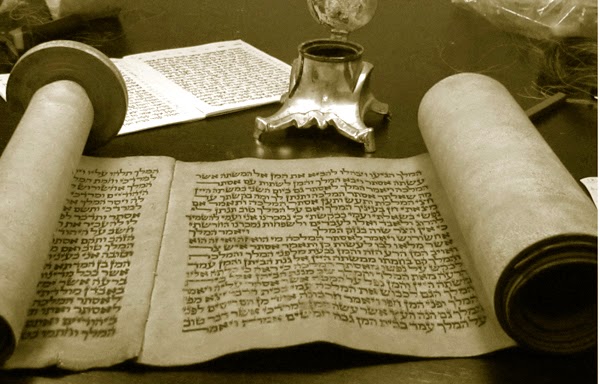
When I say that the order the Old Testament has a theological chronology, what I am suggesting is that its order leads us not only into an appropriate encounter with God, but also leads us

I never believed in love at first sight until I met Lesia. What began as a reluctant introduction through her brother became the quiet unfolding of a love I did not know I needed. Her
The Ark of the Old Covenant contained the Decalogue (which is the Law/Word), a Pot of Manna (which was the bread from Heaven that sustained the life of the Hebrews during the Exodus), and Aaron’s
The reason why St. Paul did quote and use themes from the book of Wisdom in his Letter to the Romans is because it is a book that they would have been very familiar with.